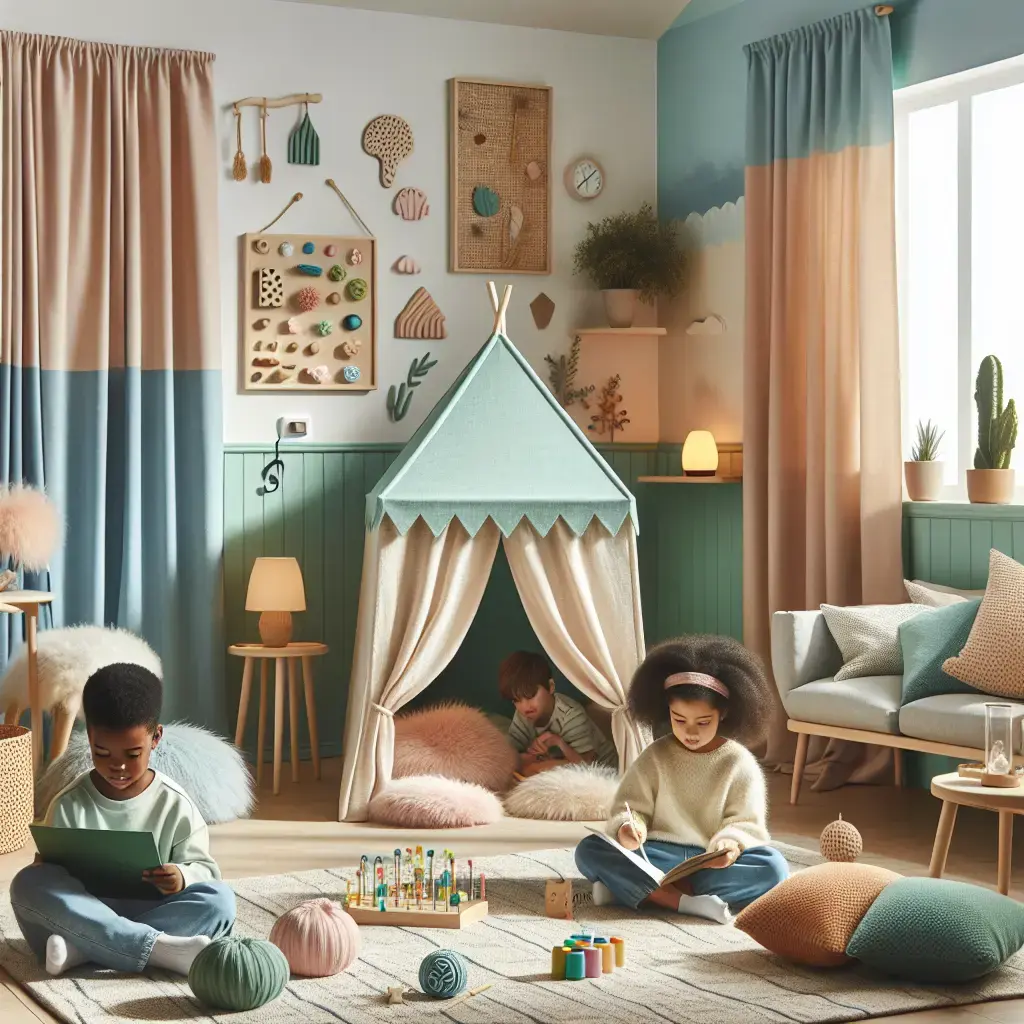
In today's fast-paced world, designing a sensory-friendly home for your child is more crucial than ever. This endeavor not only fosters a nurturing environment but also supports your child's overall well-being and development. Insights from recent discussions around technology, mental health, and inclusivity can guide us in crafting sensory-friendly spaces that truly cater to our children's needs.
Understanding the Need for Sensory-Friendly Homes
The question we should start with isn't how technology can drive our choices but what kind of environment we want for our children. As many experts point out, letting technology dictate our home decisions can overshadow the primary aim of creating nurturing spaces (learn more about this approach). Sensory-friendly design principles offer a thoughtful way to create functional and comforting environments without being dictated by technology.
Integrating Technology Thoughtfully
Technology can enhance, rather than overpower, a sensory-friendly environment. For instance, smart lighting systems offer customizable solutions that can be adjusted to create soothing atmospheres. Additionally, apps or devices that emit calming sounds can enrich the sensory experience of your home (discover practical examples).
The Role of Inclusivity in Sensory Design
Inclusivity plays a vital role in creating sensory-friendly homes. According to Dr. Kaewta Nopmaneejumruslers, there's a growing need for inclusive environments that address diverse sensory needs (read more on inclusive design). Prioritizing inclusivity ensures that your home setup caters to all children, acknowledging individual sensitivities and preferences.
Practical Sensory-Friendly Home Ideas and Tips
Colors and Textures: Choose calming colors and soothing textures that promote relaxation. Pastel hues and soft fabrics contribute significantly to creating a sensory-friendly home decor.
Lighting Solutions: Utilize adjustable lighting to accommodate different times of day and activities. Soft, warm lighting can create a calming environment and help reduce overstimulation (explore lighting options).
Furniture and Layout: Opt for comfortable, sensory-friendly furniture that supports various activities. An open layout facilitates easy movement and enhances the feeling of space.
Sounds and Smells: Incorporate gentle sounds and inviting smells into your home design to enhance positive sensory experiences, balancing the environment (find out how).
Quiet Zones: Establish quiet zones where your child can retreat when overwhelmed. Equip these areas with comforting items like weighted blankets or noise-cancelling headphones.
Case Studies and Real-Life Examples
Consider the Johnson family's story, who transformed their living room into a sensory haven for their son with autism by making targeted modifications such as installing soft carpeting and using neutral colors. These changes significantly reduced his anxiety levels (read their story).
Navigating Family Dynamics and Mental Health
It's important to consider family dynamics when designing a sensory-friendly home. Eric's advice column highlights how such spaces can support family members dealing with mental health issues by offering stability and comfort (see Eric's insights).
Addressing Current Challenges
Designing a sensory-friendly home comes with its challenges. Current debates around parenting styles and boundaries may influence design decisions, so finding a balance between support and healthy boundaries is key (explore these challenges).
Looking Forward: A Sensory-Friendly Future
As we continue to evolve, it's essential to reassess our approaches to designing sensory-friendly homes. Keeping abreast of new developments in inclusivity in child development can provide fresh perspectives and inspire innovative solutions (stay informed on this topic).
Conclusion: Crafting a Nurturing Sensory-Friendly Home
Creating a sensory-friendly home environment is pivotal for your child's growth and well-being. Here’s a recap of key considerations:
Technology Integration: Use technology wisely to enhance the sensory experience without letting it dominate the space. Smart lighting and sound devices can create a soothing atmosphere.
Inclusivity: Embrace inclusivity as a fundamental principle, ensuring your home caters to diverse sensory needs so all children feel supported and understood.
Practical Design Tips:
- Opt for calming colors and textures.
- Implement adjustable lighting.
- Choose comfortable furniture.
- Incorporate gentle sounds and pleasant smells.
- Create quiet zones for retreat.
Family Dynamics: Consider family dynamics, recognizing the home's role as a sanctuary during emotional challenges.
Future Adaptation: Regularly update your approach with new insights into sensory-friendly design.
Every detail matters in crafting a space that feels safe and welcoming. By integrating these elements thoughtfully, you can create an environment that nurtures your child's development. Share your experiences in the comments below to inspire others on their journey toward building nurturing environments for their children.
Warm regards,
Emily Davidson